
Fish on artificial reefs forage on the reef and the surrounding sand bottom

Artificial reefs are intentionally placed man-made structures that are constructed to provide habitat for fish and invertebrates. They are made of dense, durable materials such as scuttled ships and barges, […]
Salmon carcasses enrich tree habitat
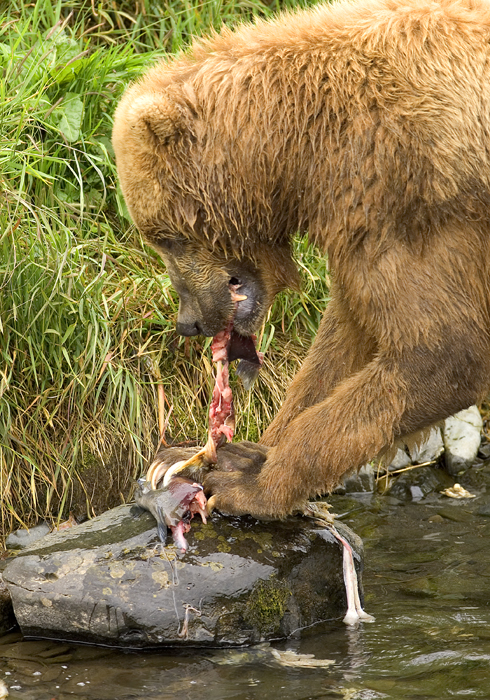
Fisheries and habitat scientists often focus on how vegetation and physical structures can create or enhance habitat for fish. But a recent article turned the tables by evaluating how salmon […]
Could Michigan welcome a once-native fish back to its waters?
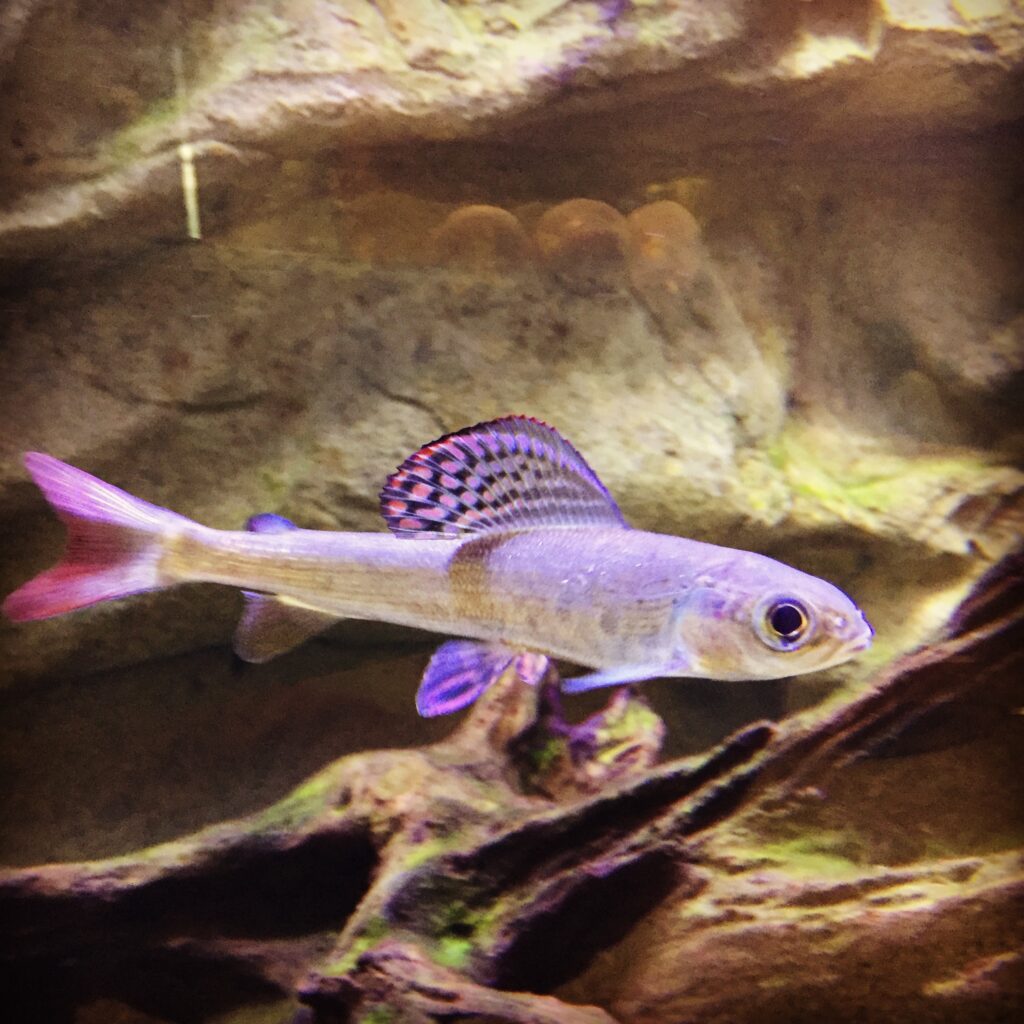
Arctic grayling (Thymallus arcticus; Figure 1), with their distinctive sail-like dorsal fins, are members of the salmon family and have a native range that begins in Arctic Ocean drainage basins […]
Photoessay: How to assess the habitat of your local stream
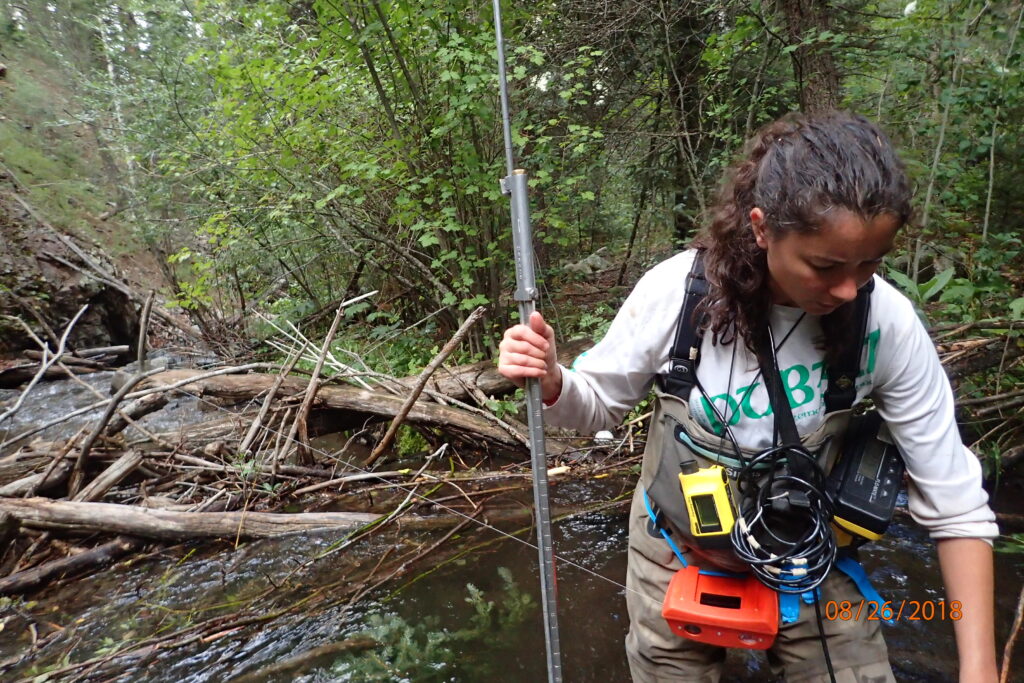
When ecologists need to assess stream habitat to make sure it is healthy for a fish population, they often choose to quantify rather than qualify the characteristics of the habitat. […]
Protecting native brook trout by isolating them from brown trout

In many coldwater streams in North America, nonnative trout are replacing native trout populations through hybridization, competition, and predation. Brook trout (Salvelinus fontinalis; Figure 1) are a species native to […]
Habitat characterization for native estuarine fish
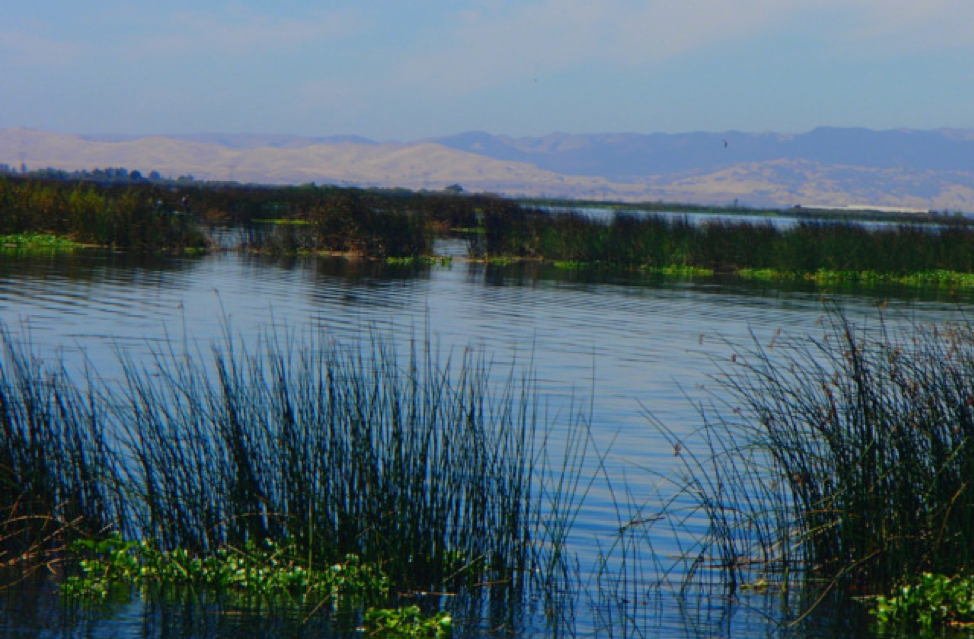
Estuaries are found where a river meets the ocean. It is a place characterized by mixing water of different physical and chemical properties. Physical properties of estuarian habitats depend on […]
Congratulations to the 2018 AFS Annual Meeting Award Winners!
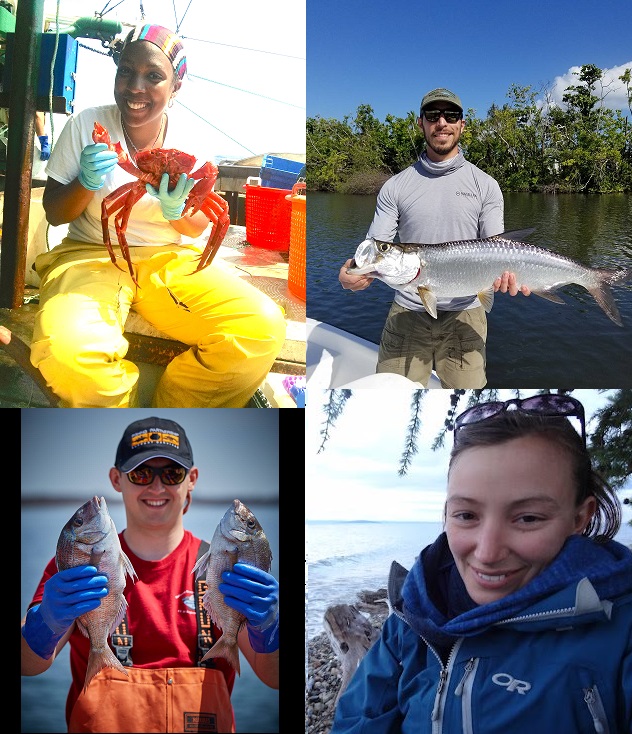
The American Fisheries Society’s Fish Habitat Section is pleased to announce the following awards earned at the 2018 Annual Meeting. Congratulations! Best Student Paper Award Shadaesha Green, Ph.D. Candidate, University […]
The North American Freshwater Migratory Fish Database: A database to inform habitat conservation efforts of freshwater fish species in the United States, Canada, and Mexico
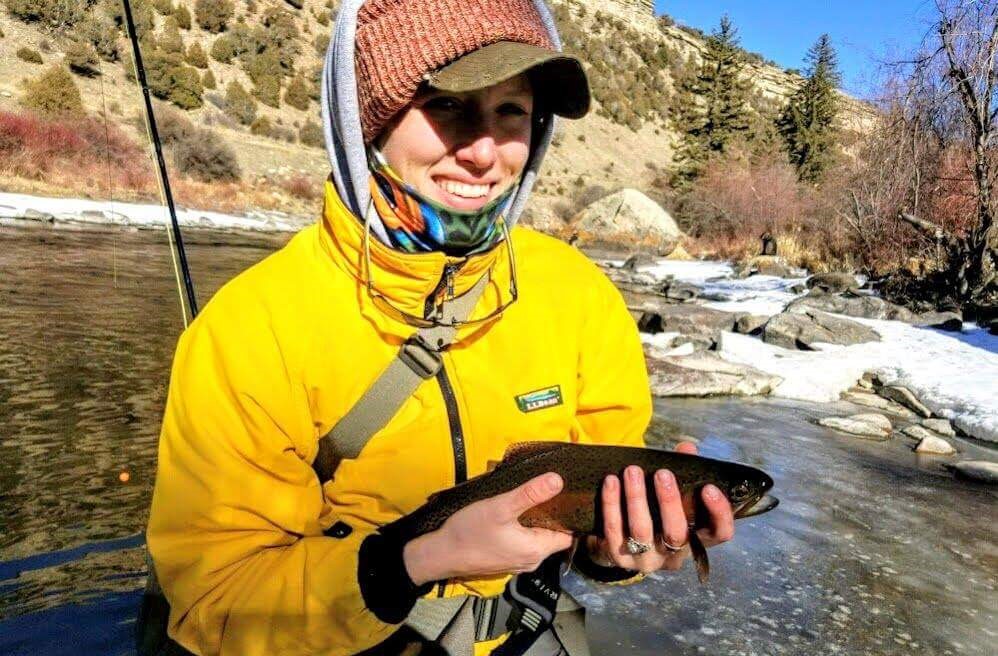
To effectively conserve freshwater fishes, conservationists need information on what types of habitats a given fish species requires. Freshwater migratory species are unique compared to non-migratory fishes because they require […]
When the shark is away… How the decline of sharks on a coral reef has led to changes in local fish.
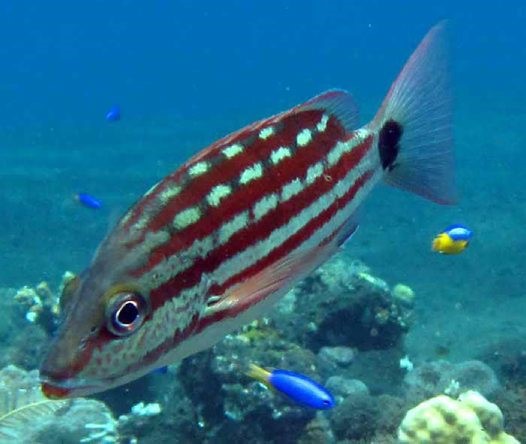
Trophic cascades are a well-known phenomenon where the removal of predators often causes an explosion of prey species’ populations due to reduced predation rates. However, an often overlooked facet of […]
Sawfly, Don’t Bother Me!
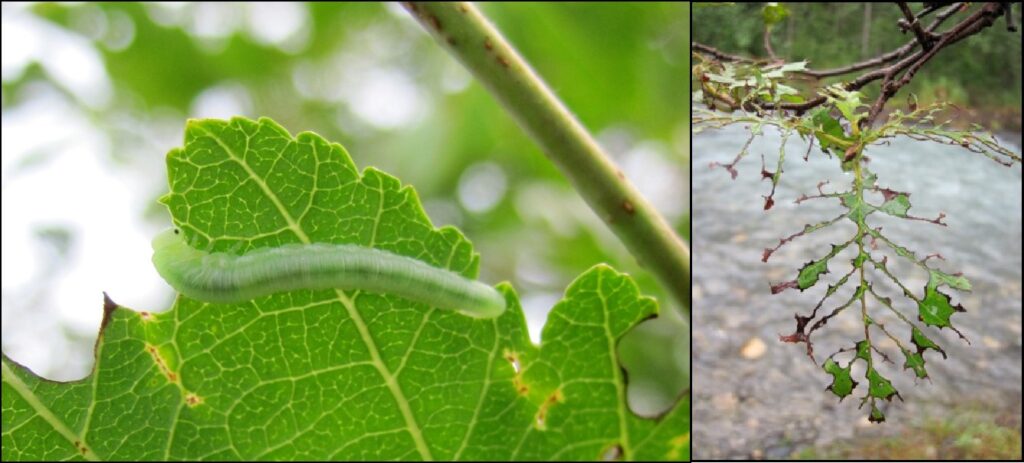
An invasive insect could threaten salmon habitat in the Pacific Northwest. The green alder sawfly (Monosoma pulveratum) was first documented in North America in the 1990s and may have been […]
Horseshoe crab spawning activity after beach nourishment

Horseshoe crabs (Limulus polyphemus) are a species of marine arthropod native to the Atlantic coast of North America, ranging from the Gulf of Maine to the Yucatán Peninsula in Mexico […]
Removing aquatic vegetation is not desirable for juvenile largemouth bass
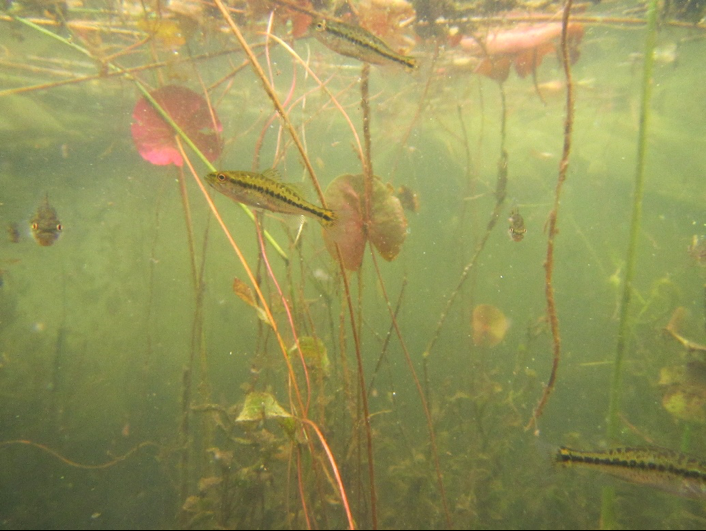
Macrophytes (aquatic vegetation) are used by many fish species as juvenile nursery habitat and refuge from predators. Lakes in the American Midwest are characterized by abundant macrophyte communities with many […]
Baited video cameras and environmental DNA create better picture of fish community
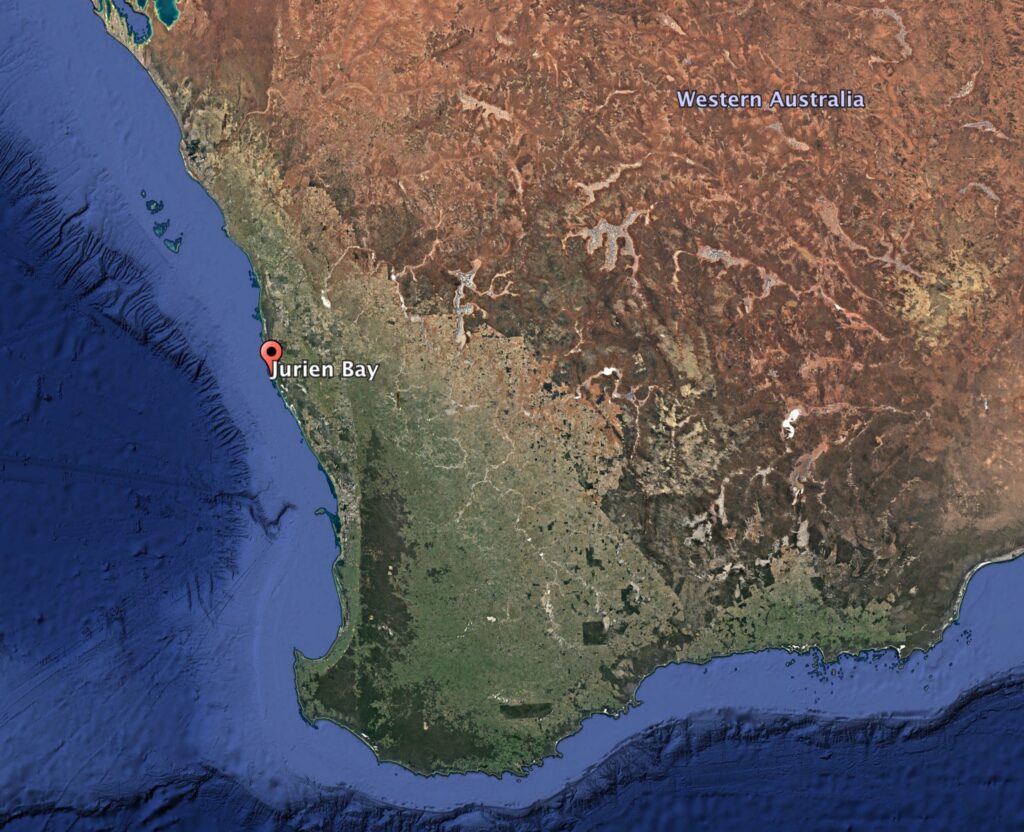
Fish can be tricky to count. Many fish are sensitive to disturbances in their surrounding environment, such as from an approaching diver conducting surveys, so care must be taken to […]
Are jellyfish aggregations floating nurseries for some fish species?
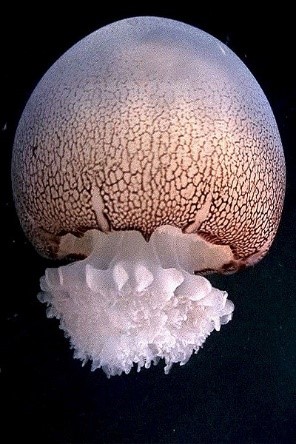
The open ocean is the Sahara Desert of fish habitat: it is relatively barren, sparsely populated, has low species diversity and low primary productivity. By contrast, coastal zones provide a […]
Dam removals improve American eel abundance

American eels (Anguilla rostrata) are slimy fish with long, snakelike bodies found along the Atlantic coast from Greenland to Brazil. Like many species of diadromous fish (species that migrate between […]
American Fisheries Society Annual Meeting 2018
The American Fisheries Society Annual Meeting is coming up next week! In anticipation of the event, we have collected some details and tips that will be helpful for getting the […]
Remodeling Salmonid Habitat: More than a Makeover

Streams can be thought of as an open-concept house for fish. Every hydrological feature, like a room, serves a unique function while flowing seamlessly (and stylishly) together to create an […]
Survival of the lazy and stressed? Angling targets active and stress-resilient trout
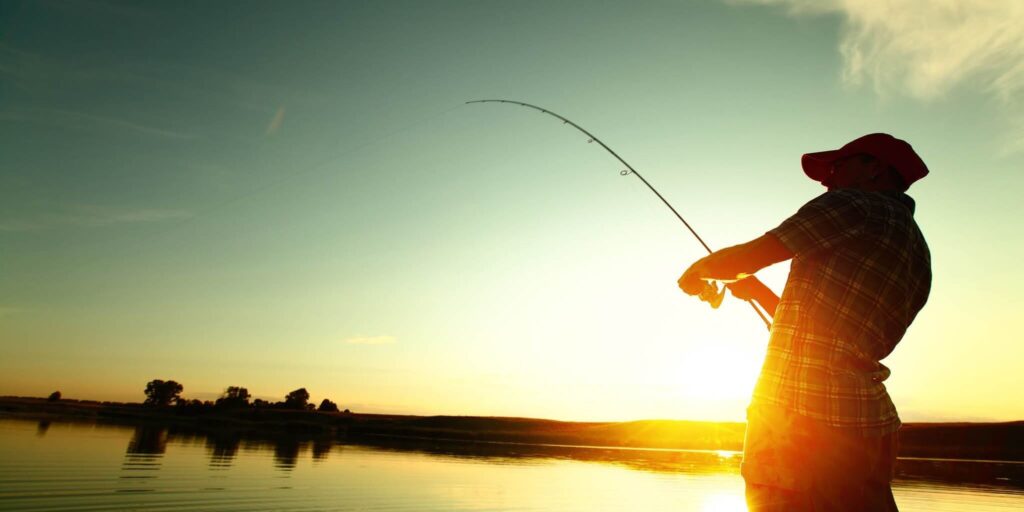
After a long week, one of the most enjoyable and relaxing activities that many people can think of is to venture into the outdoors and go fishing (Figure 1). In […]
Nowhere to hide? An invasive crayfish species poses a threat to lake sturgeon in critical spawning habitats
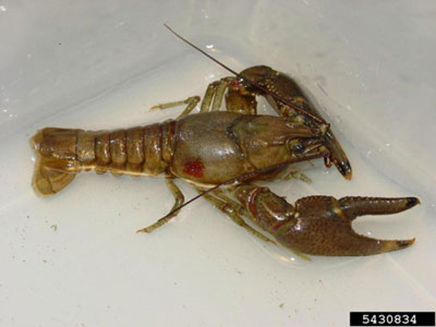
For most fish, the world is a dangerous place. They are constantly at risk of being eaten at all stages of their lives. In response to predation, fish have evolved […]
Fish communities in submerged aquatic vegetation

Submerged aquatic vegetation (SAV) are underwater plants that grow in shallow water and do not emerge above the surface. These areas are important nurseries for juvenile fish and provide refuge […]

