
eDNA: An exciting new tool for fisheries research
Studying aquatic organisms is challenging. Unlike counting sheep in a pasture, counting fish in the water is much more difficult. The most effective method varies considerably among species. Fisheries scientists […]
Using oyster toadfish calls to monitor restored oyster reefs

Oyster reefs are dense colonies made up of thousands of individual oysters attached to hard substrate (Figure 1). Because of their complex structures, oyster reefs provide important habitat for a […]
Fish on artificial reefs forage on the reef and the surrounding sand bottom
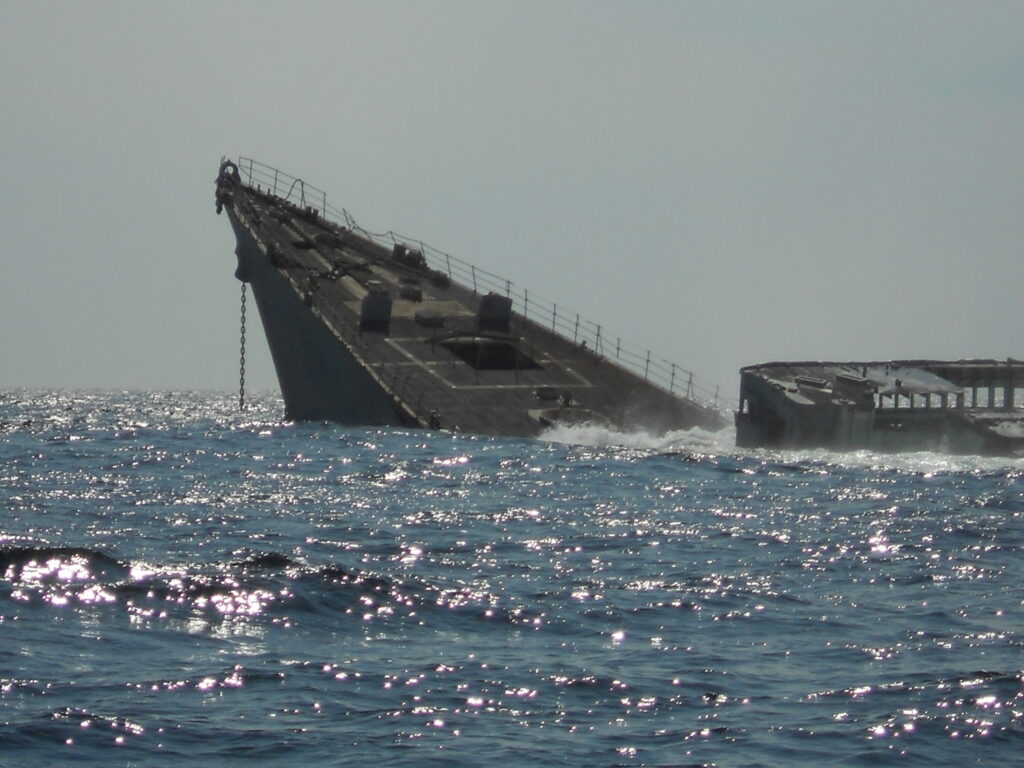
Artificial reefs are intentionally placed man-made structures that are constructed to provide habitat for fish and invertebrates. They are made of dense, durable materials such as scuttled ships and barges, […]
Using imaging sonar to count migrating river herring

Alewives (Alosa pseudoharengus) and blueback herring (Alosa aestivalis), collectively known as river herring, are small, silvery fish native to the east coast of North America. They are anadromous, meaning they […]

