
Protecting native brook trout by isolating them from brown trout

In many coldwater streams in North America, nonnative trout are replacing native trout populations through hybridization, competition, and predation. Brook trout (Salvelinus fontinalis; Figure 1) are a species native to […]
Dam removals improve American eel abundance

American eels (Anguilla rostrata) are slimy fish with long, snakelike bodies found along the Atlantic coast from Greenland to Brazil. Like many species of diadromous fish (species that migrate between […]
American Fisheries Society Annual Meeting 2018
The American Fisheries Society Annual Meeting is coming up next week! In anticipation of the event, we have collected some details and tips that will be helpful for getting the […]
Fish communities in submerged aquatic vegetation

Submerged aquatic vegetation (SAV) are underwater plants that grow in shallow water and do not emerge above the surface. These areas are important nurseries for juvenile fish and provide refuge […]
Brown trout use restored stream habitat during winter
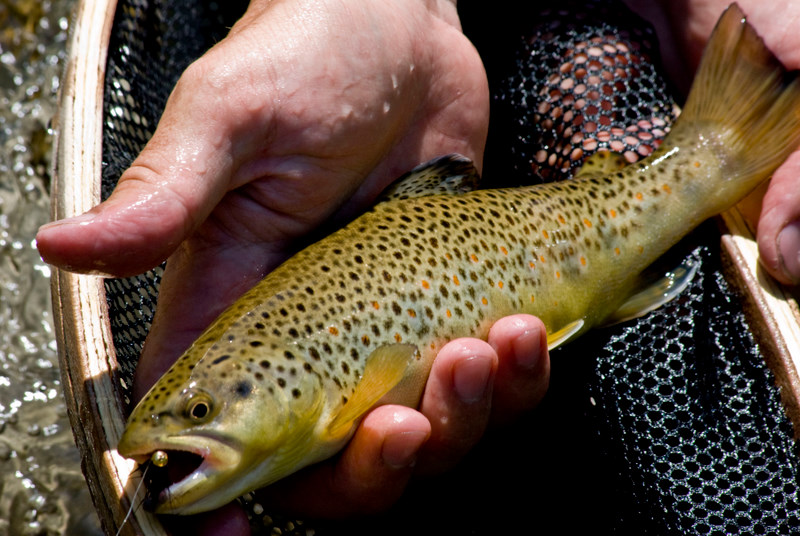
Due to degraded habitat and poor water quality throughout North America, stream restoration projects are becoming increasingly widespread. These projects frequently focus on restoring riparian and stream habitat, stabilizing streambanks […]
Seeing something shiny: Visual cues increase fish abundance on an artificial reef
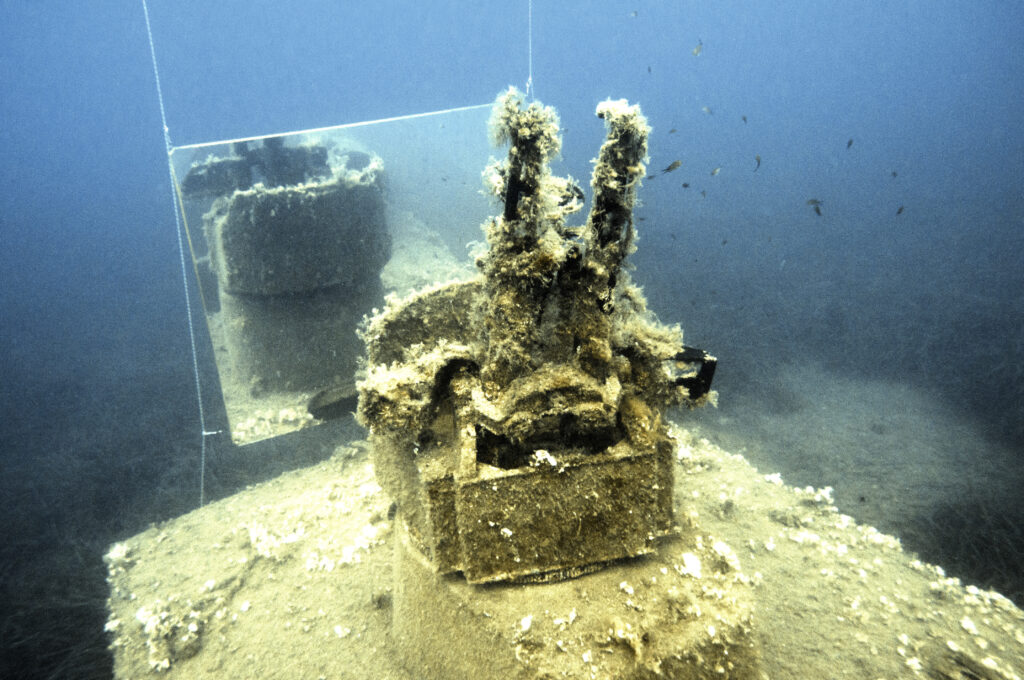
The author would like to extend a special thank you to Avery Paxton for providing quotes, pictures, and video links that enriched the content of this post. Artificial reefs come […]
Winter flounder spawning offshore in the southern Gulf of Maine

Winter flounder (Pseudopleuronectes americanus) are small-mouthed flatfish native to the east coast of North America, ranging from Labrador to Georgia. They are right-eyed flounder, meaning that as adults, both eyes […]
Comparing habitat preference of aquatic life between beaches and riprap in Delaware Bay

Due to sea level rise and increased development in coastal areas, shoreline armoring has become an increasingly popular strategy to protect coastal communities and infrastructure. These armoring structures include seawalls, […]
Using imaging sonar to count migrating river herring

Alewives (Alosa pseudoharengus) and blueback herring (Alosa aestivalis), collectively known as river herring, are small, silvery fish native to the east coast of North America. They are anadromous, meaning they […]
Recycling Christmas: Trees Find Second Home as Fish Habitat

In most homes across America, signs of the holidays are slowly disappearing. Festive bows and wrapping paper has been discarded, New Years confetti has been swept up, and left over […]
Monsters of Fish Habitat Science
Calling all fish habitat fanatics! Don’t miss the Monsters of Fish Habitat workshop in Tampa, Sunday, August 20 12:30-3:30PM! The 1980s “Monsters of Rock” tour brought together the best heavy […]
Do alluvial islands hold the key to sturgeon habitat restoration?
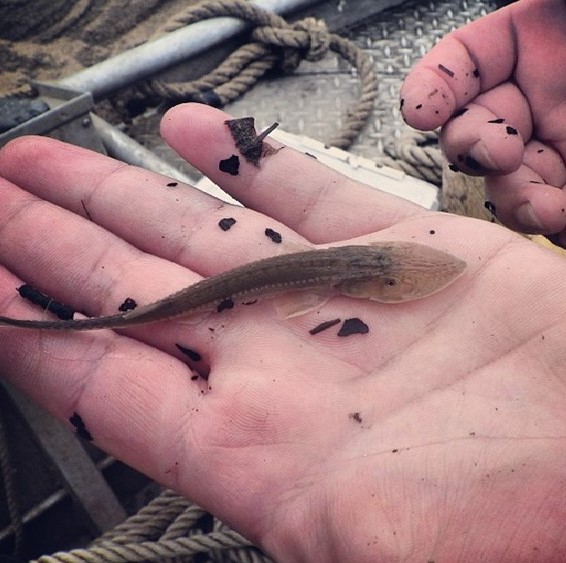
Large sandy-bottomed rivers throughout the central United States, such as the Mississippi, display disproportionately high diversity of fishes yet are some of the most altered aquatic ecosystems on the planet. […]
Hooked on Habitat: Recreational Fishers’ Perceptions of Habitat Restoration
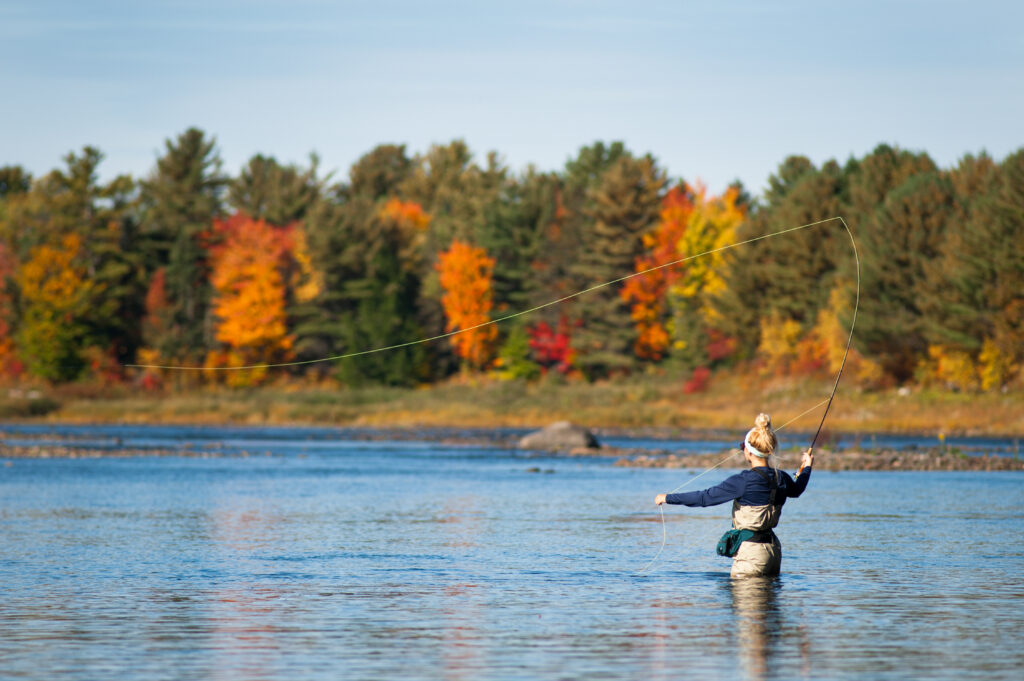
There are many reasons that a person decides to fish recreationally. Some people use it as a reason to escape into the fresh air while others invest extensive time and […]
Improving our understanding of stream fish habitat by including lakes in modelling

Fisheries scientists often rely upon models to assess various aspects of fish populations, such as fish habitat in streams. An understanding of fish habitat quality is vital in determining the […]
Low oxygen degrades habitat but makes fish easier to catch

Lake Erie has a long history of cultural eutrophication (excessive nutrient inputs), algal blooms and low oxygen levels. A widespread campaign in the 1970s to eliminate phosphorus from household detergents, […]
Does size matter? Modeling fish sensitivity to habitat loss

Freshwater fishes are becoming increasingly vulnerable to human activities. Of the many threats they face (climate change, pollution, invasive species, over-fishing, etc.), habitat loss is thought to be one of […]

