
eDNA: An exciting new tool for fisheries research
Studying aquatic organisms is challenging. Unlike counting sheep in a pasture, counting fish in the water is much more difficult. The most effective method varies considerably among species. Fisheries scientists […]
Oyster aquaculture provides habitat for fish and invertebrates

Eastern oysters (Crassostrea virginica) have traditionally been farmed on leased shellfish beds in estuaries. The most common oyster farming technique in Connecticut waters is called bottom culture. In bottom culture, […]
Preventing ghost fishing through collaborative fisheries research
Marine debris is a major issue in coastal and marine ecosystems around the world. While large accumulations of floating debris, such as the Great Pacific Garbage Patch, are the most […]
Using oyster toadfish calls to monitor restored oyster reefs

Oyster reefs are dense colonies made up of thousands of individual oysters attached to hard substrate (Figure 1). Because of their complex structures, oyster reefs provide important habitat for a […]
Fish on artificial reefs forage on the reef and the surrounding sand bottom
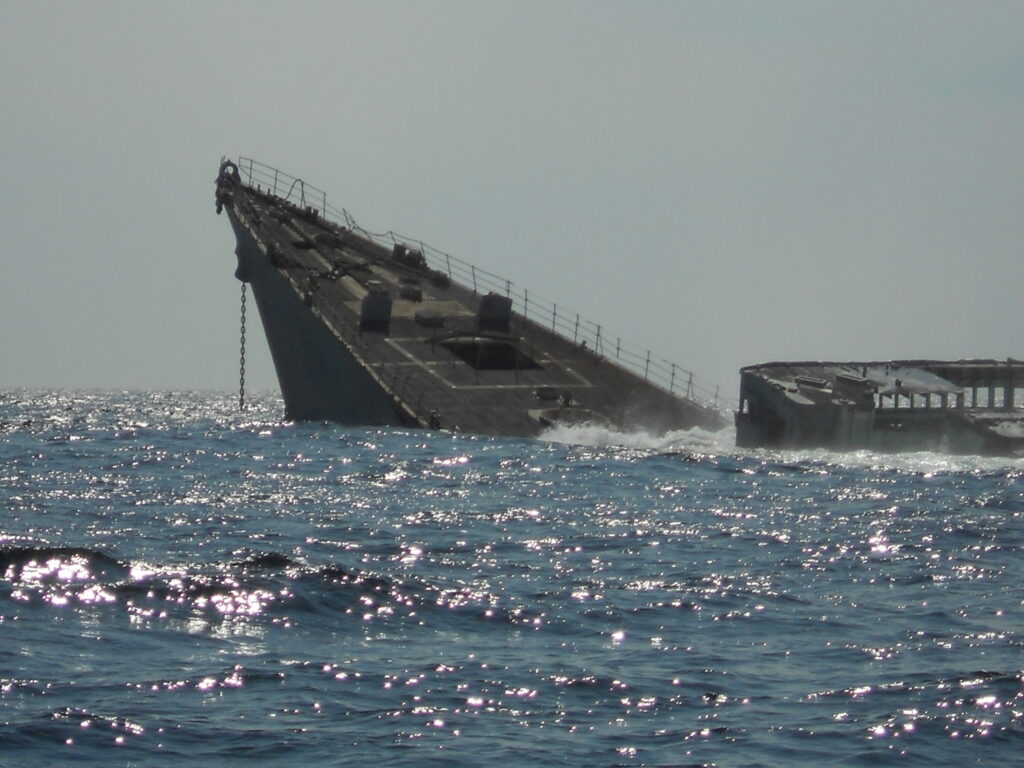
Artificial reefs are intentionally placed man-made structures that are constructed to provide habitat for fish and invertebrates. They are made of dense, durable materials such as scuttled ships and barges, […]
Winter flounder spawning offshore in the southern Gulf of Maine

Winter flounder (Pseudopleuronectes americanus) are small-mouthed flatfish native to the east coast of North America, ranging from Labrador to Georgia. They are right-eyed flounder, meaning that as adults, both eyes […]
Comparing habitat preference of aquatic life between beaches and riprap in Delaware Bay

Due to sea level rise and increased development in coastal areas, shoreline armoring has become an increasingly popular strategy to protect coastal communities and infrastructure. These armoring structures include seawalls, […]

