
Hard clams can “walk” across the sediment
Hard clams or quahogs (Mercenaria mercenaria) are one of the most popular species of clams along the East Coast of North America. They support important commercial and recreational fisheries as […]
Spawning sea lampreys influence macroinvertebrate communities in streams

Sea lampreys (Petromyzon marinus) are a jawless species of fish native to the northern Atlantic Ocean and Mediterranean Sea. They have a complex life cycle that begins and ends in […]
Temperature, not tides, influence horseshoe crab spawning activity in New Hampshire’s Great Bay

The Atlantic horseshoe crab (Limulus polyphemus) is a marine invertebrate whose native range spans from the Gulf of Maine to the Gulf of Mexico. This species is ecologically and economically […]
Angling for nesting largemouth bass can have negative effects on spawning success

Largemouth bass (Micropterus salmoides; Figure 1) are a highly prized freshwater gamefish in the sunfish family, Centrarchidae. They are native to east-central North America but have been introduced worldwide due […]
Alewife spawning strategies may differ between river systems

Alewives (Alosa pseudoharengus) are small, silvery forage fish in the family Clupeidae (Figure 1). Their native range spans the eastern seaboard of North America from South Carolina to Newfoundland. Historically, […]
Birds are not the only migrators: Evidence for seasonal migration in the invasive round goby
Many species complete annual migrations, usually in search of ideal climates, rich food resources, or prime breeding grounds. When thinking of migration, the hundreds of miles some bird species or […]
Importance of a marine conservation zone for blue crabs
Marine Protected Areas (MPAs) are areas where human activities are restricted for conservation or historical purposes. These restrictions can include limitations on fishing, development, and anything that disrupts aquatic life. […]
Physical properties of estuaries influence blue crab populations
Blue crabs (Callinectes sapidus) are a species of crab native to estuaries along the western Atlantic coast from Nova Scotia to northern Argentina (Figure 1). They live on soft-bottom habitats […]
Using oyster toadfish calls to monitor restored oyster reefs

Oyster reefs are dense colonies made up of thousands of individual oysters attached to hard substrate (Figure 1). Because of their complex structures, oyster reefs provide important habitat for a […]
Horseshoe crab spawning activity after beach nourishment

Horseshoe crabs (Limulus polyphemus) are a species of marine arthropod native to the Atlantic coast of North America, ranging from the Gulf of Maine to the Yucatán Peninsula in Mexico […]
Winter flounder spawning offshore in the southern Gulf of Maine

Winter flounder (Pseudopleuronectes americanus) are small-mouthed flatfish native to the east coast of North America, ranging from Labrador to Georgia. They are right-eyed flounder, meaning that as adults, both eyes […]
Using imaging sonar to count migrating river herring

Alewives (Alosa pseudoharengus) and blueback herring (Alosa aestivalis), collectively known as river herring, are small, silvery fish native to the east coast of North America. They are anadromous, meaning they […]
Timing of Atlantic salmon spawning migrations influenced by habitat availability
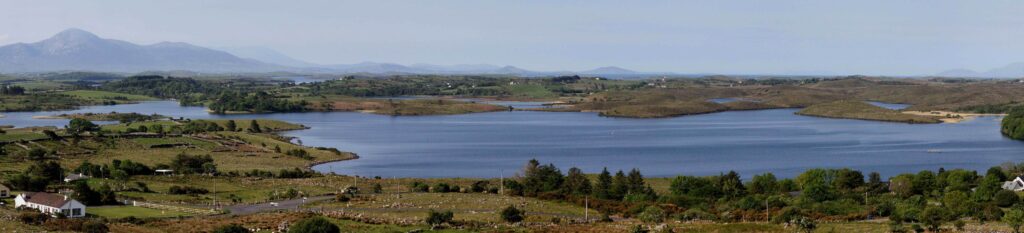
The Atlantic salmon (Salmo salar) is an anadromous fish species, which spawns in freshwater and migrates to the ocean to take advantage of marine resources for growth. As mature adults, […]
Potential spawning habitat for endangered shortnose sturgeon
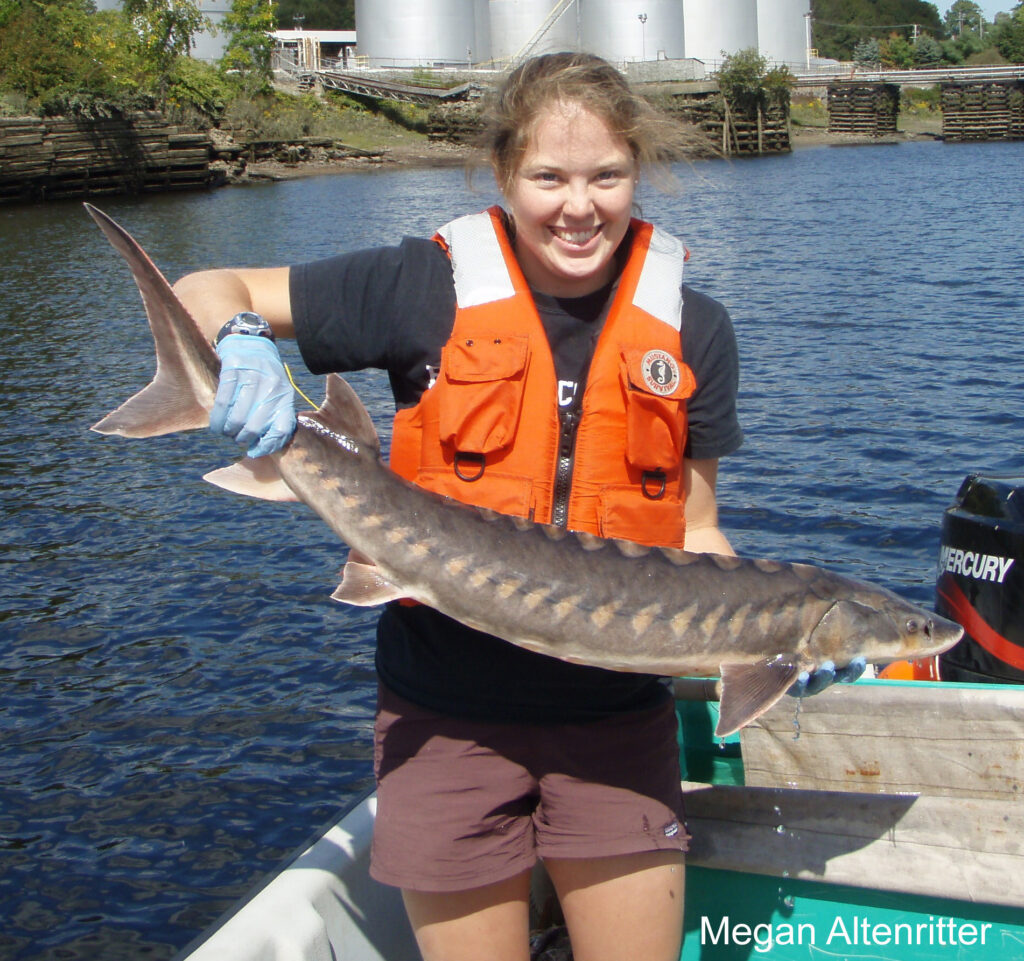
Catherine Johnston’s interest in ecology and fisheries research inspired her to pursue a Master of Science degree at the University of Maine studying how the recent removal of two dams […]

